|
Learn what hospice truly means, explore our featured reading, and help us celebrate the volunteers who make this work possible. ͏ ͏ ͏ ͏ ͏ ͏ ͏ ͏ ͏ ͏ ͏ ͏ ͏ ͏ ͏ ͏ ͏ ͏ ͏ ͏ ͏ ͏ ͏ ͏ ͏ ͏ ͏ ͏ ͏ ͏ ͏ ͏ ͏ ͏ ͏ ͏ ͏ ͏ ͏ ͏ ͏ ͏ ͏ ͏ ͏ ͏ ͏ ͏ ͏ ͏ ͏ ͏ ͏ ͏ ͏ ͏ ͏ ͏ ͏ ͏ ͏ ͏ ͏ ͏ ͏ ͏ ͏ ͏ ͏ ͏ ͏ ͏ ͏ ͏ ͏ ͏ ͏ ͏ ͏ ͏ ͏ ͏ ͏ ͏ ͏ ͏ ͏ ͏ ͏ ͏ ͏ ͏ ͏ ͏ ͏ ͏ ͏ ͏ ͏ ͏ ͏ ͏ ͏ ͏ ͏ ͏ ͏ ͏ ͏ ͏ ͏ ͏ ͏ ͏ ͏ ͏ ͏ ͏ ͏ ͏ ͏ ͏ ͏ ͏ ͏ ͏ ͏ ͏ ͏ ͏ ͏ ͏ ͏ ͏ ͏ ͏ ͏ ͏ ͏ ͏ ͏ ͏ ͏ ͏ ͏ ͏ ͏ ͏ ͏ ͏ ͏ ͏ ͏ ͏ ͏ ͏ ͏ ͏ ͏ ͏ ͏ ͏ ͏ ͏ ͏ ͏ ͏ ͏ ͏ ͏ ͏ ͏ ͏ ͏ ͏ ͏ ͏ ͏ ͏ ͏ ͏ ͏ ͏ ͏ ͏ ͏ ͏ ͏ ͏ ͏ ͏ ͏ ͏ ͏ ͏ ͏ ͏ ͏ ͏ ͏ ͏ ͏ ͏ ͏ ͏ ͏ ͏ ͏ ͏ ͏ ͏ ͏ ͏ ͏ ͏ ͏ ͏ ͏ ͏ ͏ ͏ ͏ ͏ ͏ ͏ ͏ ͏ ͏ ͏ ͏ ͏ ͏ ͏ ͏ ͏ ͏ ͏ ͏ ͏ ͏ ͏ ͏ ͏ ͏ ͏ ͏ ͏ ͏ ͏ ͏ ͏ ͏ ͏ ͏ ͏
Honoring the Season of CareA reflection on hospice, gratitude, and the quiet grace of winter November marked National Hospice and Palliative Care Month. As the winter season falls upon us, we take a moment to reflect on November’s celebration of hospice care—a time to raise awareness and deepen understanding of the care that helps people live with comfort, dignity, and peace at the end of life. Hospice care is centered on living well, even as life draws to a close. It provides a team of professionals who support not only physical comfort, but also emotional, spiritual, and practical needs. Hospice allows patients and families to spend more meaningful time together, supported by warmhearted care in the setting they call home. At Red Willow Hospice, we believe that hospice is about living fully, surrounded by kindness and connection. Our team of nurses, social workers, chaplains, aides, and volunteers walks beside patients and families every step of the way, providing comfort and honoring each person’s story. As we move into the winter season, we give thanks for the work of hospice everywhere and for the trust our community places in us to walk this sacred path together.
|
What is Hospice Care?
By: Patricia DooleyWhat is hospice care? The Cleveland Clinic has one of the best descriptions: “Hospice is specialized care you may receive when your prognosis is measured in months instead of years, and comfort is the primary goal. Hospice can help you prepare physically, emotionally and spiritually as you near the end of life. The aim of hospice is to allow people to maintain control over their lives, live with comfort and dignity, and feel supported as they prepare for death in their own way.”
In my career and personal life, I have encountered hospice care from several different perspectives, and I would like to share that with you. As a Registered Nurse, I cared for patients at the end of their lives in a variety of settings, including Long Term Care and Home Health. Along with my siblings, I supported both my mother and father long-distance at the end of their lives, able to be with them individually when they died peacefully in a hospital setting. All of this should have prepared me for the diagnosis of my husband with Stage 4 Lung Cancer in 2018. I knew about death and dying. However, knowing professionally and then walking through the illness and death of my beloved husband of 38 years was a vastly different experience. It was terrifying and overwhelming. My husband wanted to die at home, to be comfortable, and to continue with the things he enjoyed and considered important as long as possible. I wanted that for him with all my heart. He did choose to go through three rounds of chemotherapy. He had several rounds of palliative radiation, one CyberKnife treatment to his spine, and one thoracentesis procedure to clear fluids from his lung. Finally, about 6 weeks before his death, he chose hospice care. We both felt surrounded by care, provided by professionals working as a team, who provided end-of-life care based on our priorities and wishes. Our RN Case Manager established instant rapport with my husband. She visited our home weekly and then more frequently in the last two weeks. A nurse was available by phone (and a physician on call for any new orders) anytime I had a question or needed something to make him more comfortable. Nurses brought needed medications to our home as well as Durable Medical Equipment as he became weaker and more short of breath. 1.
|
|
A Physical Therapist came to assist with adaptations for home safety that allowed my husband more mobility and independence. The PT also created soft splints to support his hands and lower arms to decrease the pain he felt from his cancer. He looked forward to the C.N.A. visits to help with showering and washing his hair, something he absolutely refused to let me do. The Social Worker checked in with me, offering a listening ear and suggestions for funeral arrangements. The Spiritual Care provider sat with me that last day as I watched him slip away – I am not sure how I could have borne it without her by my side. And when he died, an RN came over quickly to pronounce death, helping to dispose of his medications, and calling the funeral home for me. She offered quiet, respectful, and practical support. I felt her caring presence as a balm to my heart as I tried to take in the reality of that loss. Other members of the team checked in that next week to provide emotional support and offered information and assistance for tackling some of the practical tasks that come with a death. The Bereavement Coordinator called to offer condolences and to offer a “heart with ears” and assurances that I could call or visit him if I needed to talk. This support continued with quarterly mailings about managing grief as well as invitations to attend grief support classes through that hospice. Having the hospice team by my side allowed me to provide the one thing my husband desired most – to remain safe and comfortable at home and to die peacefully with me by his side. Their care allowed me the time, energy, and support to be present as a wife and to start that journey onward without him. They walked alongside us, calmly and compassionately. I will be forever grateful. 2.
|
Hospice Book Club
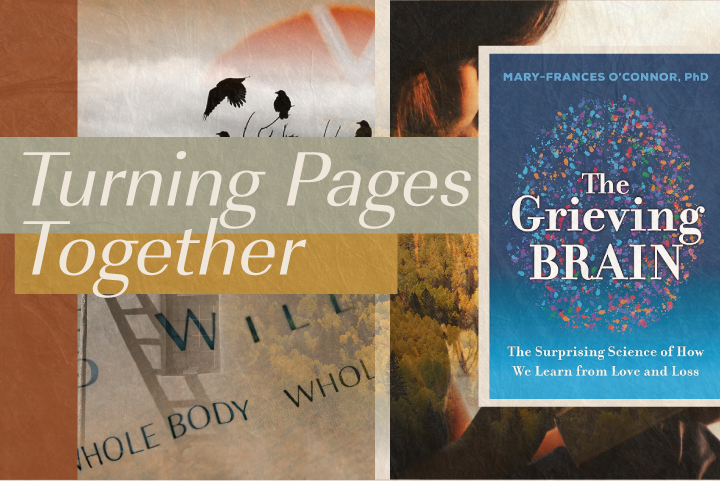
The Grieving Brain
By: Mary-Frances O’Connor, Ph.D.In The Grieving Brain, neuroscientist Mary-Frances O’Connor helps us understand what happens in the mind and body when we lose someone we love. Through science and compassion, she explains that grief isn’t something to “get over,” but a process of learning, of our brain slowly adjusting to a world that has changed. O’Connor describes how the deep bonds we form with loved ones are built into our neural pathways. When they die, those pathways continue to search for them, which is why grief can feel confusing or even unreal. Over time, the brain begins to integrate loss, allowing love to remain while the pain softens. This book offers comfort through understanding. It reminds us that grief is not a sign of weakness, but a natural expression of enduring love, the mind’s way of learning how to live with what the heart already knows. “Grief is a heart-wrenchingly painful problem for the brain to solve, and grieving necessitates learning to live in the world with the absence of someone you love deeply, who is ingrained in your understanding of the world. … For the brain, your loved one is simultaneously gone and also everlasting, and you are walking through two worlds at the same time.”
|
Thank You to
Our Volunteers — and an Invitation to Join Us
Volunteers are an essential part of the Red Willow Hospice team. Each day, they extend our mission of whole-person care, offering time, skill, and heart to support patients and families in countless ways. As we reflect on National Hospice and Palliative Care Month, we offer our deepest gratitude to those who already serve so faithfully. Your presence brings peace and comfort in moments that matter most. Thank you for walking beside our patients and families with such kindness and care. If you’ve ever felt drawn to this kind of work, we invite you to join our volunteer team. No medical background is required—just a listening ear, an open heart, and a few hours to share. Training and ongoing support are provided. To learn more or sign up:
contact socialwork@redwillowhospice.com or visit
Red Willow Hospice.
|
Closing Reflection
As we look back on National Hospice and Palliative Care Month, we take time to recognize the heart of hospice: the families for whom we care. Hospice is built on relationships, on the bonds that form, and the paths we walk together. Every visit, every conversation, and every quiet moment shared is part of what makes this work meaningful. It is a privilege to care for our patients—one that we honor during Hospice Month and throughout the year. At Red Willow Hospice, we are honored to walk beside you, providing comfort, support, and understanding through life’s final chapter. We know that each family’s journey is unique, and we are grateful for the privilege of being welcomed into your homes and your lives. As we enter the winter months, we want to thank you for reminding us what truly matters: presence, love, and connection. The strength and grace of our patients and their families inspire us every day.
|
|
|
|